
Oboes
Working equipment is essential to your students’ success. This guide has suggestions of instruments to buy as well as the minimum specifications for an instrument that will serve your students well.

Suggested Models
Yamaha Intermediate YOB-441
Howarth S20-C
Buffet Prodige
Fox Renard 330
KGE Oboes
Suggested Key Work Specifications
“Conservatoire System”
Semi-Automatic Octaves
3rd Octave Key
C-D Trill Key (X 2)
C-C# Trill Key
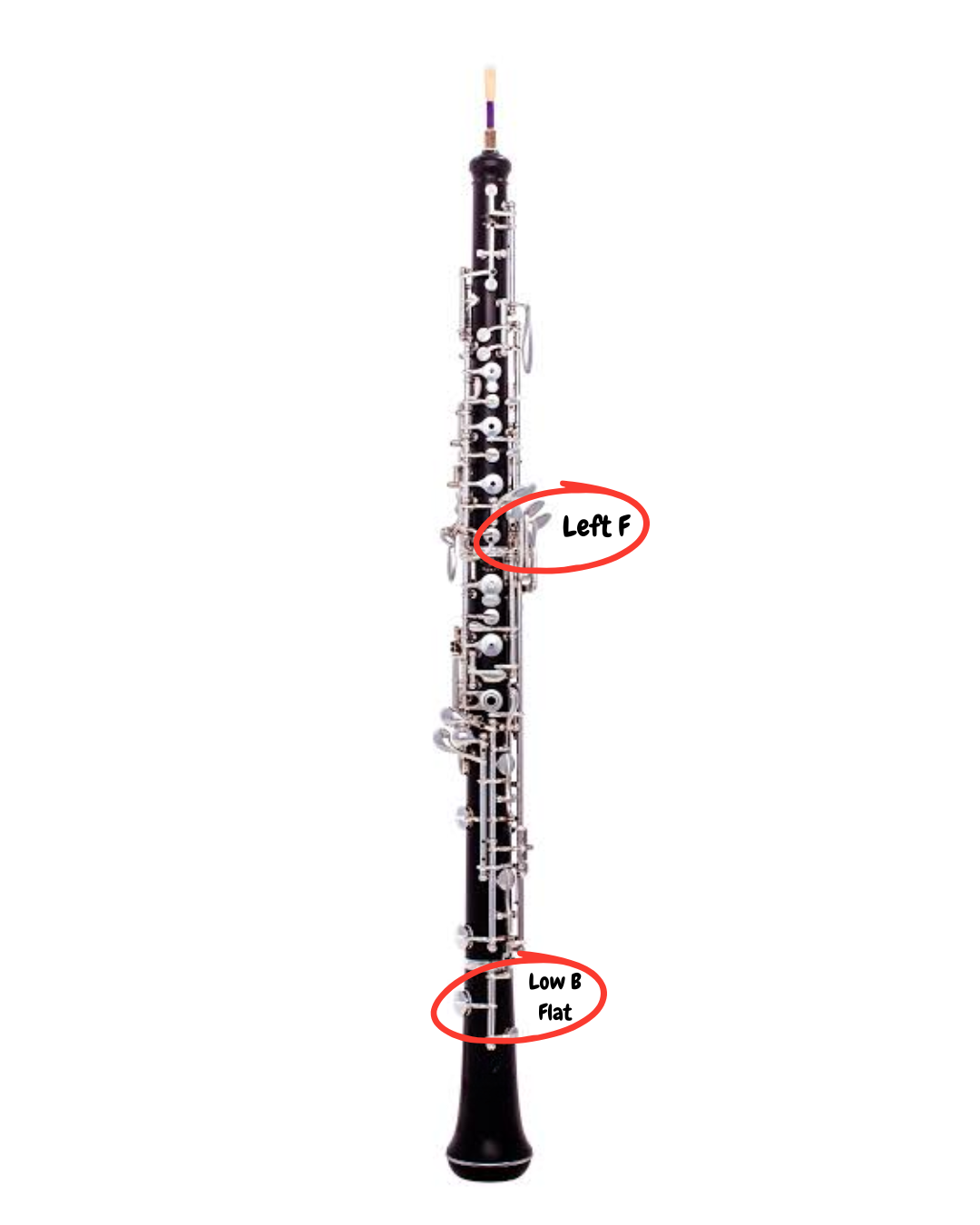
Left-hand F Key
Forked F vent
Extra trill mechanisms (Ab-Bb and Ab-A)
Articulated C# mechanism
“Banana Key” – low C-C# trill
Low Bb vent
Suggested Materials
Synthetic Materials including:
Ebonite
Resin
Composite Polymers
“Cocojazz”
Howarth brand specific

Why not wooden?
Wooden instruments require special care in order to keep the instrument in working order. Like other wooden instruments, Oboes are susceptible to cracking if not kept in a temperature- and humidity-controlled environment. They also require meticulous swabbing among other maintenance. Most band rooms are not equipped to properly store these instruments and students have not developed the understanding to care for them. Synthetic instruments have come a long way and students can make a beautiful sound on them. Remember, we want the instruments to work as often and for as long as possible!
What to Avoid
Instruments without a Left “F” key
Having a left F key allows students to smoothly transition between F and neighboring notes without awkward finger stretches or compromised hand position. This alternate keying is essential for executing fluid technique, maintaining proper hand ergonomics, and mastering more advanced repertoire.
“Knee Holes” for Low B Flat
Student model instruments will have two holes on the sides of the bell that the player is expected to cover with their knees while fingering low "B" to play low "B" flat. This is cumbersome and rarely effective. Amazon Oboes
Enough Said. 
Older, wooden instruments
Older professional instruments can be financially tempting; however, older instruments can be expensive to fix and maintain. When in doubt, refer to your local double reed expert or instrument repair person. Instrument Maintenance
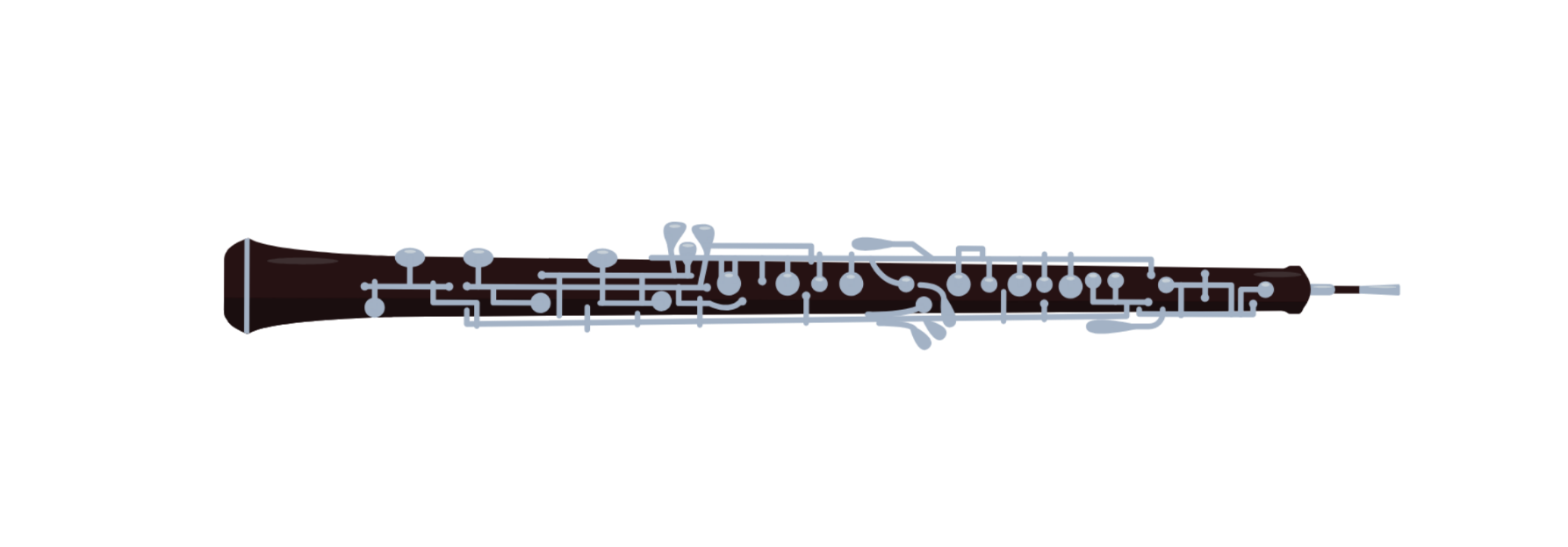
Taking proper care of an oboe is essential for keeping it playing smoothly and extending its lifespan. Every student must have a dedicated oboe swab as part of their standard kit. Moisture builds up quickly while playing, so it is important to swab out the instrument often—especially before putting it away—to prevent water from collecting in the tone holes and damaging the pads. Equally important is reed care: always allow your reeds to dry completely in a ventilated reed case before storing them, as packing away wet reeds leads to mold, warping, and a much shorter lifespan.