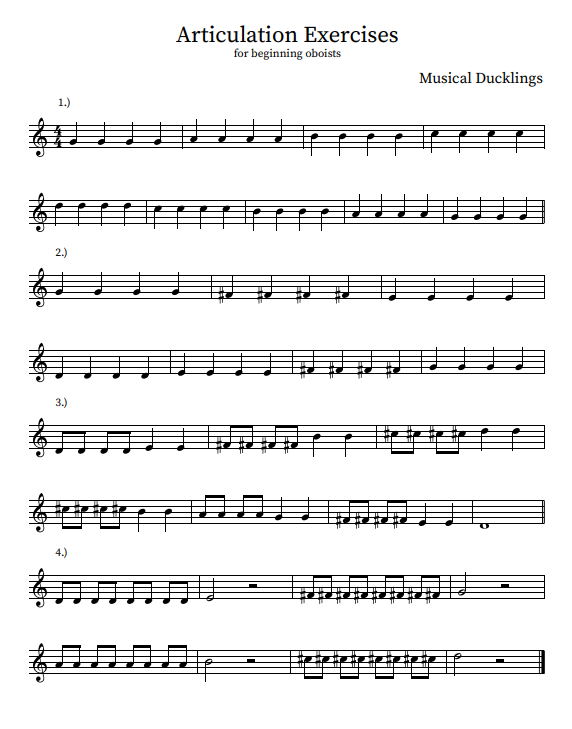
Articulation
The Double Reed Difference
Unlike single-reed instruments, the oboe features two pieces of cane vibrating together inside the performer's mouth. This unique setup creates a distinct tactile experience and requires a specialized approach to control sound, response, and articulation.

Creating General Articulation
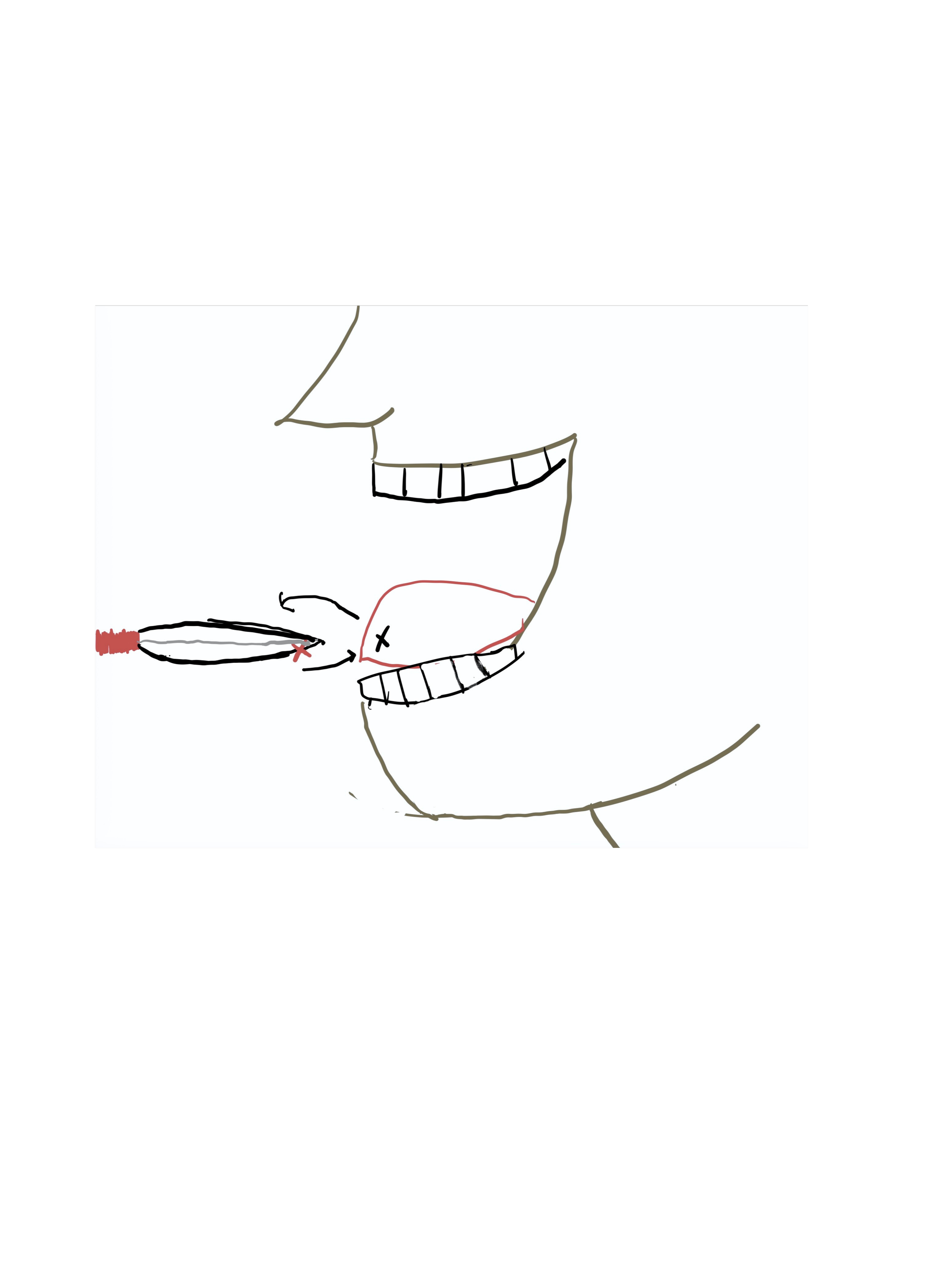
To articulate on the oboe, the top surface of the tongue, just behind the tip, should make gentle contact with the tip of the bottom reed blade. By varying how far you move your tongue away from the cane and how rapidly you make that motion, you can easily control the clarity, length, and style of your articulation.
For example, moving the tongue quickly away from the reed will create more abrupt articulations. Keeping the tongue close and leaving the reed slowly creates smoother articulation.
Teaching Beginning Articulation
The Power of "Reed-Alone" Practice
Before introducing the full instrument, isolating articulation practice on the reed alone is an invaluable diagnostic tool. Practicing on just the reed strips away keywork distractions and allows both teacher and student to clearly hear the start and stop of every note, ensuring the tongue is executing a clean, correct technique from the very beginning